-

A selection of essays, letters and notebook passages by the French philosopher Simone Weil (1909–1943). Three ideas run through it: attention, a patient way of looking that holds back your own wants and reactions; decreation, the work of getting the self out of the way; and uprootedness, the harm done when people lose their ties to place, work and community.
-
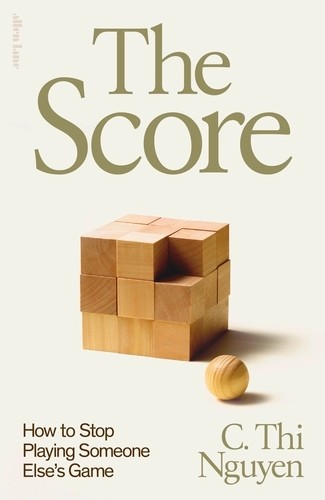
Nguyen, a philosopher of games, looks at what happens when rich aims like health, learning or friendship are swapped for simple numbers such as step counts, grades and likes. He calls this value capture, and argues that the clarity of a score makes it easy to end up chasing targets someone else designed. The book separates the goals a system hands us from the purposes we actually hold.
-
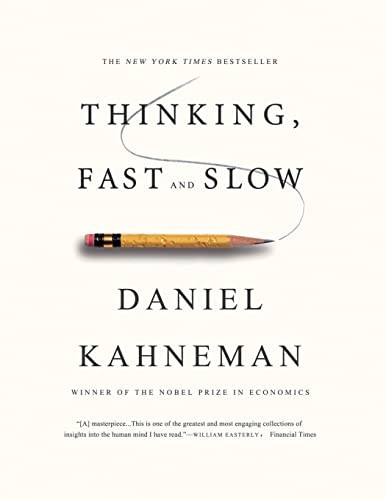
Kahneman describes the mind as two systems: a fast, intuitive one that does most of our thinking, and a slow, deliberate one that only checks it when pushed. The book catalogues the shortcuts the fast system takes, such as anchoring on the first number it hears or judging how likely something is by how easily an example comes to mind, and shows how they lead to predictable mistakes about money, risk and the future.
-

A short, combative book from 1888 in which Nietzsche tests the beliefs of his time the way you might tap a statue with a tuning fork, listening for the ones that sound hollow. He attacks Socrates' faith in pure reason and the morality of his day, and argues that many inherited truths rest on habit and fear rather than real substance.
-
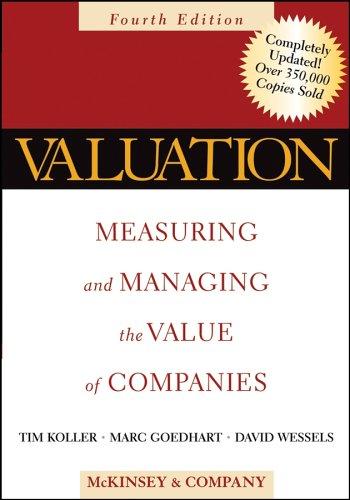
A practitioner's guide from McKinsey's corporate finance group to what makes a company worth more. Its central claim is that a business creates value only by growing while earning a return on invested capital above its cost of capital; accounting changes and financial engineering merely move value around. It then shows how to measure this with discounted cash flow and economic profit.
Cover images from Open Library. Each cover belongs to its publisher.